Long-Distance Rural Relationships: Making It Work
Quick Takeaways
- Dating in rural areas often means wide distances, fewer nearby matches, and long drives — distance is a logistics problem, not a dealbreaker.
- Consistent, honest communication matters more than constant contact; a short daily check-in beats sporadic marathon calls.
- Plan visits around the farm calendar and split the drive fairly so no one carries the whole burden.
- Trust grows through predictability and openness — do what you say, and share the small ordinary moments.
- Plenty of countryside couples have closed the gap; treat the distance as a season, not a sentence.
When the Nearest Date Lives Three Counties Away
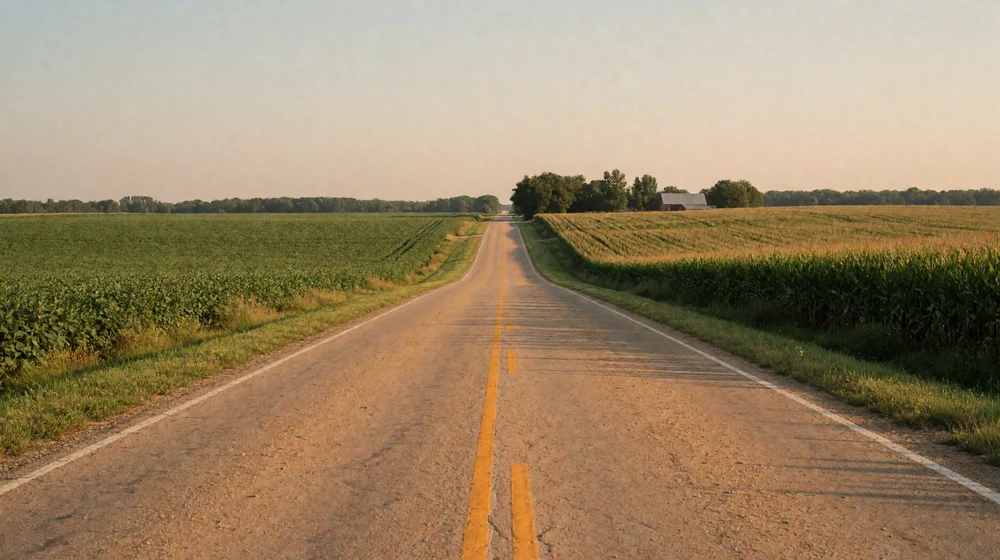
Dating in rural areas comes with a challenge city singles rarely face: the person you click with might live an hour and a half of two-lane highway away. When you're spread out across farmland and small towns, the dating pool isn't just smaller — it's scattered. A long-distance rural relationship isn't a dramatic exception out here; for a lot of country singles, it's simply how a countryside romance starts.
Here's the thing: distance in the country is different from distance in the city. It's not about time zones or airports — it's about gas, daylight, and a work schedule tied to the land. The good news is that farmers and rural folks already know how to plan around weather and seasons, and those same habits make them surprisingly good at long-distance love.
The Real Challenges of Geographic Isolation
Geographic isolation is the biggest hurdle in rural dating: partners are often separated by dozens of miles, local options are thin, and every visit costs real time and fuel. Understanding these constraints upfront — rather than pretending they don't exist — is what lets a countryside couple plan realistically instead of burning out.
Start with the map. "Rural" isn't one thing — it's a continuum with plenty of gray area. How far apart you actually are depends on which patch of country you each call home, and the practical truth is that any simple rural-versus-urban line hides a messy reality of half-hour and two-hour drives. What matters isn't the label on the census map; it's the number of miles between your kitchen table and theirs, and how that reshapes an ordinary Tuesday.
Then there's the cost, and it adds up quietly. Fuel, wear on the truck, and hours behind the wheel are the tax on rural romance. A weekly visit can eat a full tank and half a Saturday before you've even said hello. For farmers whose income swings with the season, that expense isn't trivial — it's a line item that has to be planned around.
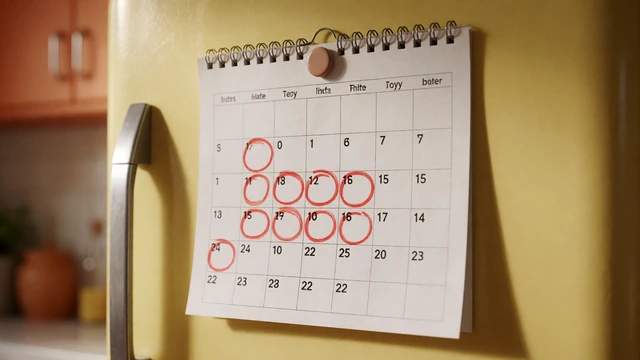
Scheduling makes it harder still. Farm work doesn't stop for anniversaries, and small-town jobs often mean odd hours too. When one partner is calving through the night and the other works an early shift in town, finding overlapping free time becomes its own project. None of this is a reason to give up — it's just the terrain, and knowing the terrain is half the battle.
Communication Strategies That Actually Work
Good long-distance communication is about rhythm, not volume. A dependable daily check-in — even a two-minute goodnight call — builds more security than an occasional three-hour session followed by silence. Consistency tells your partner they're a steady part of your day, no matter how many miles sit between you.
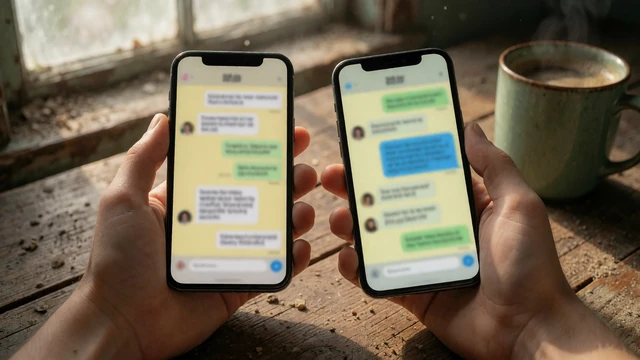
What does this look like in practice? Trade a few honest text updates through the day: a photo of the sunrise over the barn, a quick note before a long tractor run, a heads-up when a busy stretch is coming. These small signals do the quiet work of togetherness. They keep each other's ordinary lives visible, which is exactly what distance tends to erase.

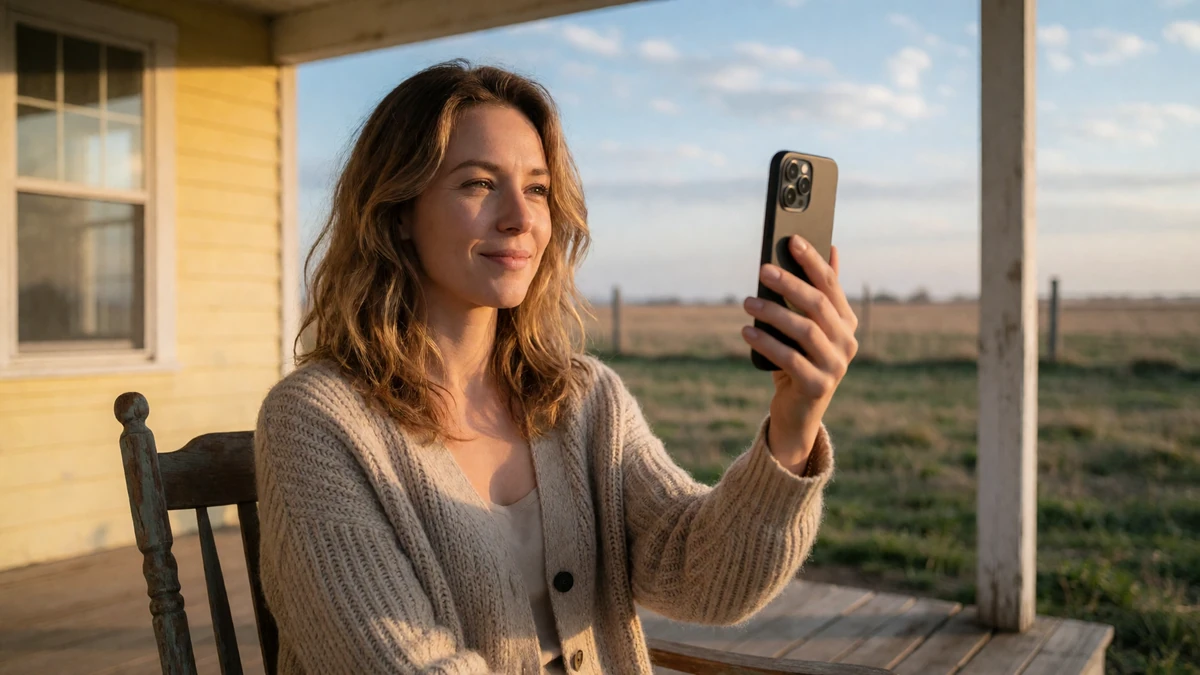
Video calls carry the weight the phone can't. Seeing a face after a long, muddy day reads as care in a way a text never will. Try sharing an activity over video instead of just talking — cook the same dinner, watch the same game, or ride along on a call while one of you feeds the animals. Doing life side by side, even through a screen, keeps the relationship feeling like a partnership rather than a pen pal exchange.
Here's where it gets interesting: the strongest rural couples set expectations out loud. They agree on when calls happen, they warn each other before planting and harvest swallow the calendar, and they don't read a quiet day as a cold shoulder. Naming the rhythm removes the guesswork — and guesswork is what turns distance into doubt.
Planning Meetups When the Drive Is Long
Planning rural meetups means working with the farm calendar, splitting the drive fairly, and making each visit count. Because every trip costs time and fuel, spontaneous visits are rare — the couples who thrive treat their time together like the harvest: something you prepare for and protect.
Fairness keeps resentment out of the equation. Take turns making the drive, or meet in a town halfway so neither person is always the one on the road. Small gestures matter too — splitting gas, keeping a toothbrush at each other's place, planning around the busy weeks instead of fighting them. This is the same openness that's fueling the wider rise of long-distance and even cross-cultural matchmaking: as people grow more willing to look beyond their own zip code for the right partner, the logistics simply become part of the courtship.
When you do get a weekend together, keep it grounded in the rural life you both love. A few ideas worth the drive:
- A shared workday: spend a morning helping with chores, then reward yourselves with a big farmhouse breakfast.
- A county fair or farmers market: low-key, full of conversation, and easy to enjoy at any pace.
- A sunset picnic: pack a cooler, find a quiet field edge, and let the evening slow down.
- A back-road drive: no destination required — the point is uninterrupted time in the truck cab.
- An overnight stay: for longer distances, one weekend visit beats three exhausting day trips.
The bottom line: fewer, richer visits usually beat frequent, rushed ones. If you're both willing to explore who lives within a reachable radius, our local farmers dating pages can help you find matches closer to home and shrink that drive over time.
Building Trust Across the Miles
Trust in a long-distance rural relationship is built through predictability and openness, not surveillance. When you can't see each other daily, doing exactly what you said you'd do — calling when you promised, showing up for the visit you planned — becomes the currency of the relationship. Reliability is romance when the miles are long.
Share the small stuff, not just the highlights. Telling your partner about the flat tire, the stubborn heifer, or the slow afternoon keeps them woven into your daily life rather than watching from the outside. Transparency about your schedule and your feelings prevents the silence that distance so easily fills with worry.
And take heart from the couples who've done it. Plenty of countryside singles have started three counties apart and ended up sharing a porch — their success stories are proof that distance is a chapter, not the whole book. For more on keeping a connection alive through the busiest stretches, our guide to seasonal dating challenges goes deeper on the timing side of things.
Couples Who Made the Distance Work
Real couples have bridged real miles. Here's how one pair turned a long drive into a shared front porch.
“We lived two hours apart for a year and a half. We took turns making the drive every other weekend and video-called every single night before bed. When harvest hit, we just planned around it instead of panicking. Now we run the same farm.”

“City apps kept matching me with people three counties over who had no idea what farm life is. Meeting someone who understood the long-distance part from the start changed everything. We closed the gap one season at a time.”

Distance Is Temporary, Love Is Worth the Drive
Long-distance rural relationships ask for patience, planning, and a willingness to see the miles as a season rather than a sentence. If you communicate consistently, plan visits with care, and build trust through simple reliability, the gap between your two farms starts to feel a lot smaller than the mileage suggests.
The right partner is worth a full tank and a long stretch of highway — but you may find they're closer than you think. Browse country singles near you through our local farmers dating pages, or connect with someone who shares your values in our niche farmers dating categories. Every countryside romance starts with one message across the miles.